
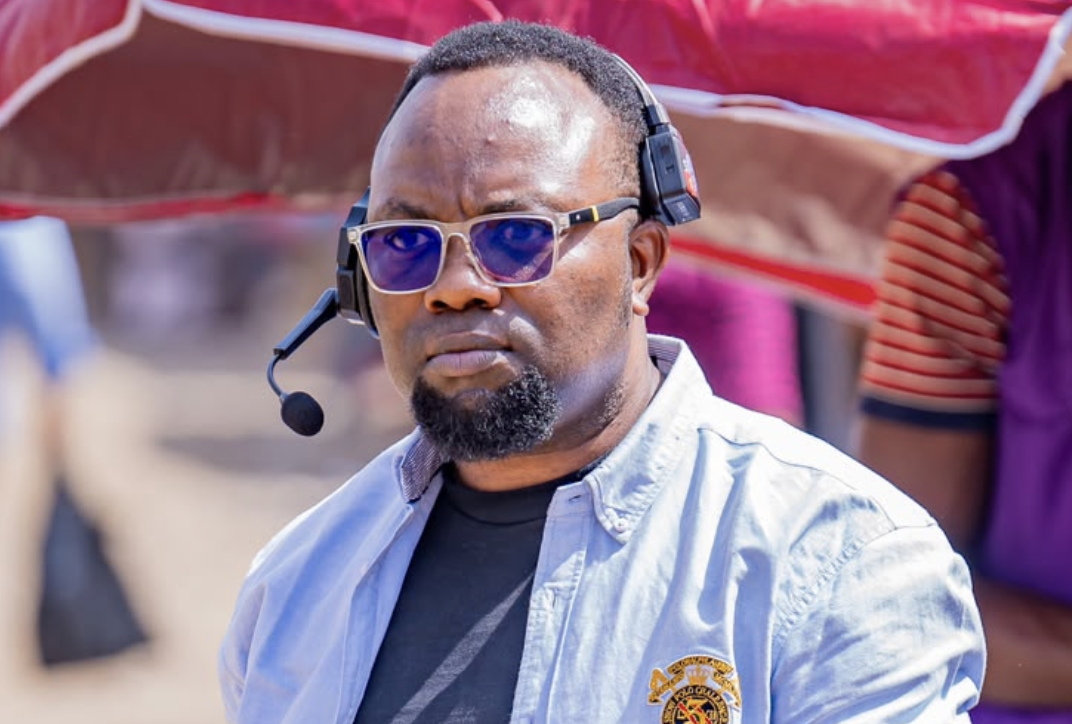

Filmmaker Sam Idiagbonya has called for improved infrastructure, access to funding and stronger collaboration among practitioners to unlock the potential of Abuja’s film industry.
Idiagbonya, chairman of Fedmas Studios, said that although Abuja offers a serene working environment, relative accessibility and facilities that support film production, the city’s creative industry continues to struggle with limited exposure, inadequate technical expertise and weak distribution networks.
Speaking on the challenges facing filmmakers in the Federal Capital Territory, he said Abuja’s creative talents needed platforms to showcase their work and connect with wider markets.
“Abuja offers a good environment for filmmaking, but we need the infrastructure, the training and the freedom to create,” he said.
He noted that Lagos remained Nigeria’s commercial centre for filmmaking because of its established distribution networks, marketers and access to industry opportunities. However, he argued that filmmakers in Abuja could compete beyond their immediate environment if they developed stories with wider appeal.
“My market is the world. Earth is my market,” he said, stressing that filmmakers should create stories capable of connecting with audiences beyond their locations.
Idiagbonya also expressed concern over government funding initiatives that, according to him, often generated expectations without providing clear information on implementation.
“If you tell creatives that there is a fund, they need to know the mechanism, the criteria, the timeline and who has benefited,” he said.
He explained that filmmaking required substantial investment in equipment, personnel and post-production, adding that access to funding without transparent procedures could leave practitioners uncertain about how to develop their projects.
On manpower development, Idiagbonya said the industry needed more trained technical professionals, particularly in cinematography, lighting, sound and production design.
He argued that operating a camera did not automatically make someone a cinematographer, noting that effective filmmaking required technical knowledge, experience and continuous training.
The filmmaker also urged practitioners to embrace collaboration rather than allow competition and disputes over ownership to undermine creative projects.
“The future of creativity is collaboration. You cannot do this alone,” he said.
According to him, filmmakers should be willing to subject their scripts and ideas to constructive criticism, while industry stakeholders should combine their resources and expertise to improve production quality.
Idiagbonya further identified distribution and cinema profitability as major concerns, citing high production and marketing costs, delayed payments and the distance between some cinema locations and residential communities.
He said online platforms such as YouTube offered opportunities to reach global audiences, but filmmakers needed to understand the realities of digital monetisation and develop effective marketing strategies.
“Today, you may be on YouTube. Tomorrow, you may be in the cinema. The next day, you may be on Netflix or working with an international platform,” he said.
He called on the government to support filmmakers across the country, arguing that talent discovery and industry development should extend beyond established creative centres.
Idiagbonya also advocated a stronger national film festival that would provide opportunities for screenings, training, competition and networking among Nigerian and international filmmakers.
He urged emerging filmmakers to remain committed to improving their craft, building professional relationships and exploring different distribution channels, despite the challenges confronting the industry.